
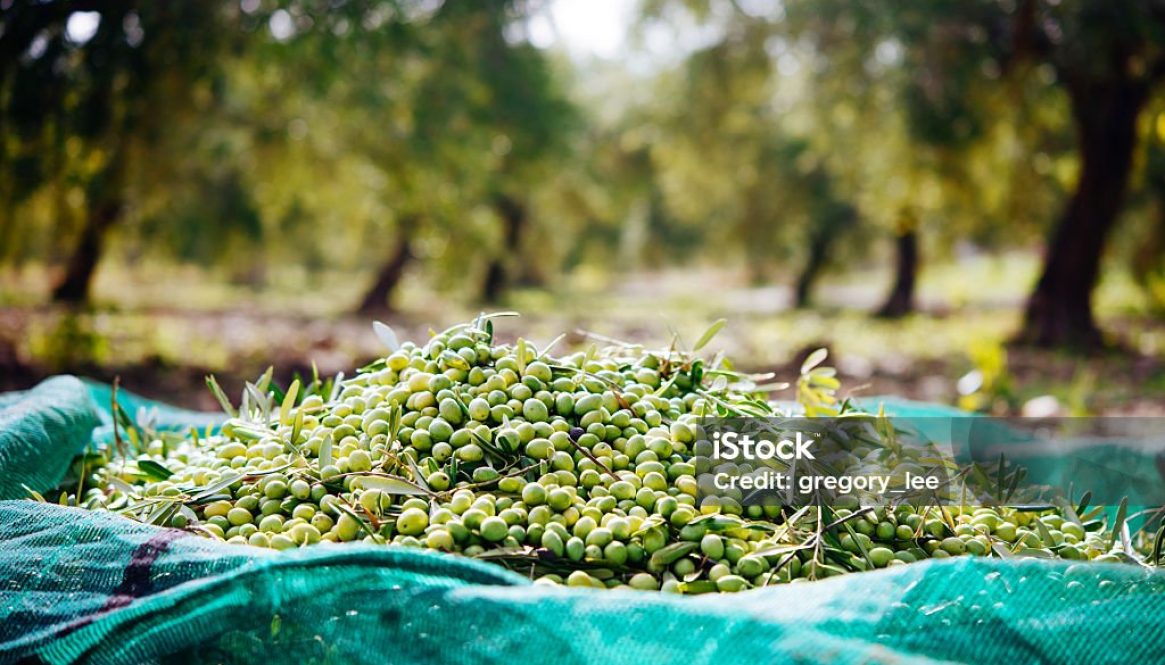
Olive oil is oil pressed from olives. Its use dates back 6,000 years, originating in what are now Iran, Syria, and Palestine, before making its way to the Mediterranean, with its well-known olive groves.
Historically, olive oil has been used in religious ceremonies and medicine, and it has become an important ingredient in food for many cultures.
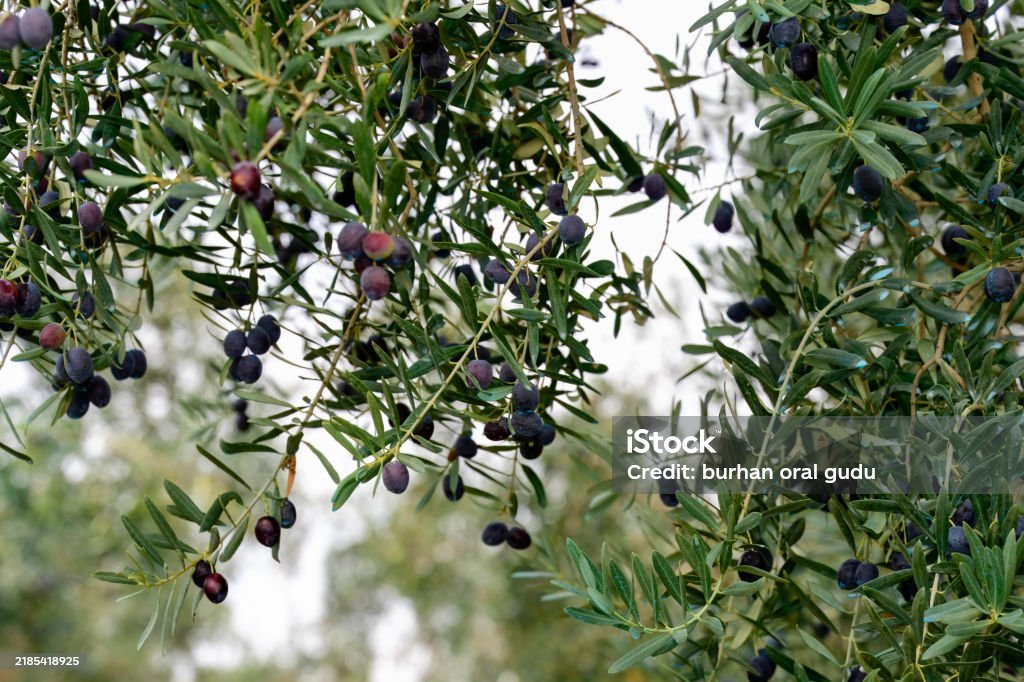
In the United States, you can buy three types of olive oil: extra-virgin olive oil, olive oil, and light-tasting olive oil. Extra virgin, which makes up 60 percent of all the olive oil sold in North America, can be used for both cold or finishing preparations as well as in cooking. Olive oil can be used in a variety of cooking styles, and light-tasting olive oil has a neutral flavor, so you can use it in cooking and baking when you don’t want the characteristic peppery taste of olive oil.
Olive oil is largely known as one of the best fats you can eat, particularly for heart health. One study looked at more than 7,200 women ages 55 and older who were at a high risk of heart deseases. It found that those who consumed the most olive oil in the context of a Mediterranean diet had as much as a 35 percent lower risk of cardiovascular disease and a 48 percent lower mortality risk compared with those who consumed the least amount of the oil.
For each 10 g of extra-virgin olive oil (nearly 1 tbsp) eaten a day, the risk of cardiovascular disease fell by 10 percent and death from cardiovascular disease fell by 7 percent.
For each 10 g of extra-virgin olive oil (nearly 1 tbsp) eaten a day, the risk of cardiovascular disease fell by 10 percent and death from cardiovascular disease fell by 7 percent.
It may be that the MUFAs, phenols, and vitamin E in olive oil are heart-protective. The oil is also known to be anti-inflammatory; may improve blood vessel function, cholesterol, and insulin sensitivity; and lower high blood pressure, the researchers point out. But some perspective: Olive oil is just one component of a healthy Mediterranean diet. Other foods consumed heavily on the diet, including fruits, vegetables, nuts, and legumes, are known to boost heart health as well.